
Glaucoma
Our Surgical Procedures: Glaucoma
What is Glaucoma?
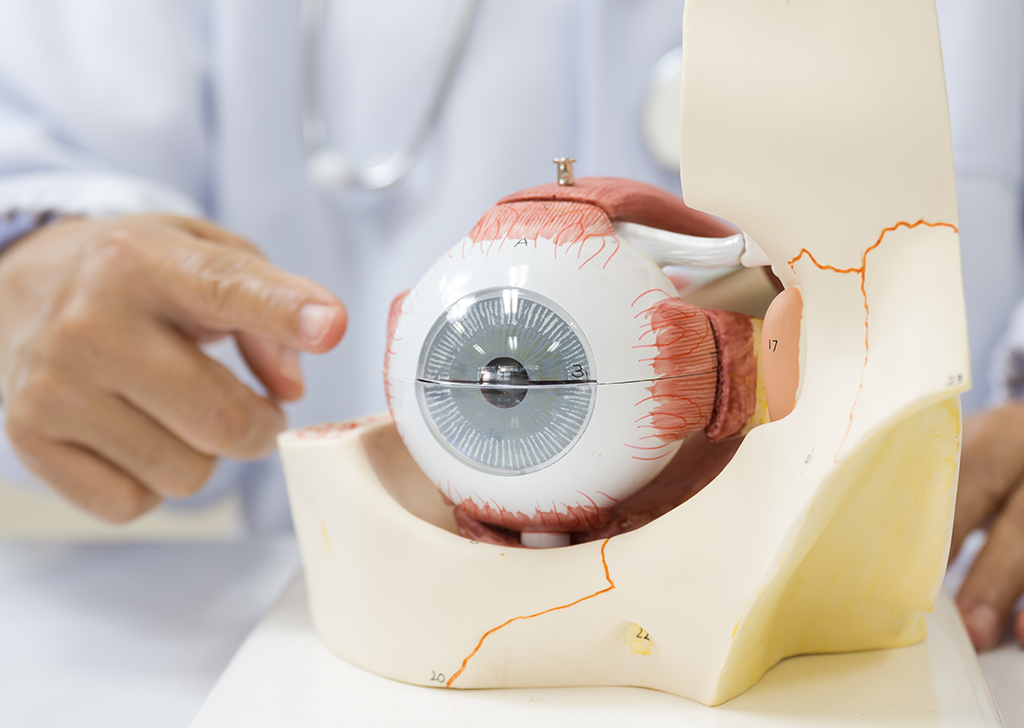
Glaucoma is a disease that damages the nerve fibers comprising the optic nerve. The optic nerve is the pathway that takes the picture that your eye sees to your brain. Unfortunately, when the nerve is damaged, we lose the ability to send some or all of the picture that your eye sees to your brain. This results in partial or total blindness depending on the severity of the damage. Glaucoma cannot be cured, but with early detection and treatment, it may be slowed enough to preserve vision.
Causes of Glaucoma
Optic nerve damage (Glaucoma) may be caused by high pressure within the eye. There is fluid being produced inside of the eye all of the time. This fluid should be drained away from the eye at roughly the same rate that it is produced. The pressure within the eye will increase if either the eye is making too much fluid or the drain in the eye is not working properly. In either of these cases, the fluid pressure builds up within the eye, just as the pressure in a basketball rises when air is continued to be added to it. This pressure either kills the nerve by squeezing it, or it stops blood from getting to the optic nerve. The more damage there is to the optic nerve, the less picture your eye can send to the brain.
There are many different causes and types of glaucoma. Open-angle glaucoma is the most common form of glaucoma and is the type described above. Other forms of glaucoma include: Narrow/Closed Angle Glaucoma, Pigmentary Glaucoma, Congenital Glaucoma, Pseudoexfoliative Glaucoma, Inflammatory Glaucoma, Lens-Induced Glaucoma, and many others.
Symptoms of Glaucoma
Open Angle Glaucoma may not have any symptoms until much damage is already done to the optic nerve. The symptoms, once noted, are generally blurred vision and loss of peripheral/side vision with advancement into central vision.
Risk Factors
Some risk factors for glaucoma include family history, high blood pressure, diabetes, trauma to an eye, nearsightedness, and age over 40. Untreated glaucoma may lead to blindness. Since it is usually a silent disease, it is recommended that those at higher risk have yearly eye exams. Those individuals with lower risks should make sure to have a full eye exam every few years.
Methods of Treatment
Eye Drops or Laser
The initial treatment of Glaucoma can include eye drops or laser. Medicated eye drops can lower eye pressure by either causing the eye to produce less fluid or by helping the eye’s internal drain to work better. First treatment may also be done with the SLT laser. This type of laser works to help the drain in the eye to function better.
Surgical Options
There are also surgical options to treat glaucoma.
- Building a new drain in the eye is the main surgical option.
- Trabeculectomy, which builds a new drain in the eye, is still one of the best surgeries for moderate to severe glaucoma, as it can reduce pressure more than MIGS surgeries. We can also use tube shunts as a way to siphon off fluid from inside the eye.
- MIGS, which stands for minimally invasive glaucoma surgery, is recommended for milder cases of glaucoma as first-line surgical treatment. It consists of a group of surgeries that use small incisions and small tubes or materials to make the drainage systems work better. As these are small incisions, there tends to be faster recovery. Some of the MIGS surgeries can be done at the same time as cataract surgery.
These surgeries continue to evolve and get better over time.
We Can Help
The doctors at South Hills Eye Associates are experienced at treating Glaucoma with the most advanced treatments and medications. We have an SLT laser in our Mt. Lebanon office, and we have well-trained surgeons who have performed many Glaucoma surgeries. To meet with one of our board-certified ophthalmologists, schedule an appointment at our practice today by calling 412-561-1964 or 724-745-6258
Quick Links
Helpful Articles

All Eye Care Services
At South Hills Eye Associates, Ltd., our services help you guard against common health concerns. From a cataract evaluation to a glaucoma test, we are happy to provide the options you need to maintain good vision.
Keep In Touch
For non-urgent questions or to learn more about our services, contact us today!
© 2026 South Hills Eye Associates, Ltd.. All rights Reserved - Accessibility Statement - Privacy Policy - Sitemap
Managed and Designed by 